Content:
- Introduction
- Why Carpet Moths Infest Carpets
- How Moth Eggs and Larvae Survive in Carpets
- The Role of Regular Carpet Cleaning in Preventing Moths
- How Deep Cleaning Disrupts the Moth Lifecycle
- Vacuuming as a Preventive Measure Against Moths
- Common Mistakes That Encourage Moth Infestations
- Benefits of Professional Cleaning and Pest Control
- Natural and Chemical Methods to Prevent Moths Alongside Cleaning
- Maintaining Carpet Hygiene to Reduce Moth Risks
- Tips for Long-Term Prevention of Carpet Moth Infestations
- Conclusion
Introduction
Regular carpet cleaning is a great investment in a healthy home, but most people are not aware that it is a part of moth prevention and not a means to correct an existing moth infestation. As cleaners, we do not recommend cleaning moth-infested carpets without prior pest control since it will result in residual issues, such as odors and carpet damage. Carpet cleaning procedure is best used as a preventative measure against moths, as part of your overall carpet maintenance system. Following is why you need to differentiate between pest control and cleaning when you are dealing with pests.
Why Carpet Moths Infest Carpets
Moth infestation is most prevalent if moths are attracted to natural fiber carpets, such as wool or silk. Such materials are the best breeding environment for moth larvae, which burrow into the carpeting and feed on it. Poor carpet hygiene and the inability to control moisture are some reasons that invite moths. Household pests like moths are encouraged in humid environments, undisturbed spaces where food particles and dust accumulate. If not checked, these bugs can lay eggs on moths in their hidden areas without being noticed. A single uncleaned food spot in the fibers is enough to cause an infestation. Clean carpet is the solution to stopping moths from making your home their own.
How Moth Eggs and Larvae Survive in Carpets
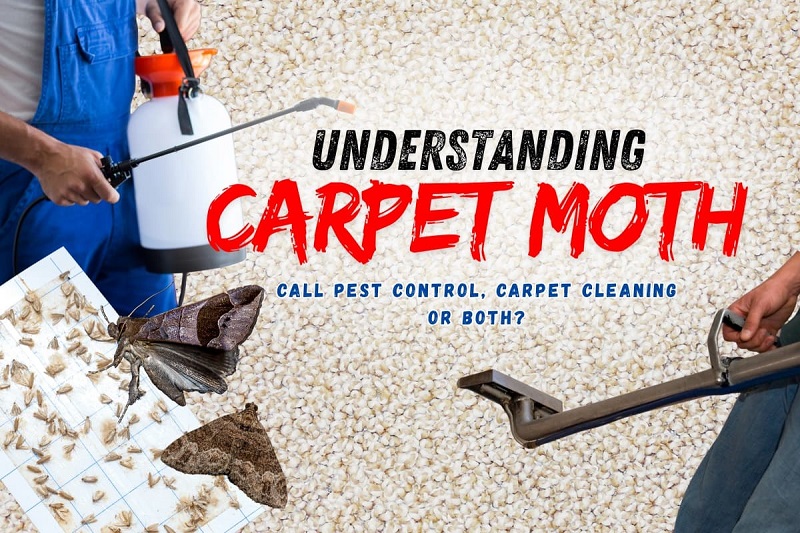
Moth larvae are very hardy. Once the moth eggs hatch the larvae burrow deep into the carpet fibers where they feed on the material. They can stay hidden for months undetected and cause a lot of damage to the carpet. Even after cleaning there can be residual eggs left behind which can lead to re-infestation. Larvae removal requires treatments that go beyond standard cleaning which is why you need to get pest control services if you have an infestation. Regular carpet maintenance like vacuuming and regular cleaning can reduce the chances of moth larvae surviving and breeding but it’s not enough to get rid of them completely without proper pest intervention.
The Role of Regular Carpet Cleaning in Preventing Moths
Regular cleaning can help prevent moths from getting a foothold. It won’t get rid of an active infestation but it will remove organic matter, pet hair, food crumbs and dirt – things that moths and larvae feed on. For example vacuuming regularly will keep carpets free of food sources that moths and larvae love. Carpet maintenance will keep carpets clean and dry and moths can’t lay eggs in a clean and dry environment. Regular cleaning with proper moisture control and fabric protection can be one of the best ways to keep moths at bay if done proactively.
How Deep Cleaning Disrupts the Moth Lifecycle
Deep cleaning has the ability to disrupt the moth life cycle by removing moth larvae and moth eggs that are embedded deep within the carpet fibers. While regular cleaning helps with upkeep, deep cleaning is a more intense process for larger infestations. Steam cleaning or hot water extraction can be effective at killing moth larvae and melting any eggs that are in the fibers. However, carpet cleaning should be done after pest control and after monitoring for new moths activation and thorough vacuuming of dead moths. Deep cleaning by itself will not get rid of an active moth infestation. This is where pest control services come in—employing targeted pest control treatments followed by deep cleaning will help break the lifecycle and prevent future issues.
Vacuuming as a Preventive Measure Against Moths
One of the best but most overlooked vacuuming benefits is removing moth larvae and their food sources before an infestation gets out of hand. Vacuuming is cheap and easy carpet maintenance. Vacuuming removes crumbs, dirt and dust that attracts moths and removes the moth larvae that’s already there. Use a vacuum with strong suction and a HEPA filter to get the moth eggs and larvae out of the carpet fibers. It’s not a substitute for pest control but vacuuming can go a long way in keeping your carpets moth free.
Common Mistakes That Encourage Moth Infestations
Many homeowners do not realize they have created conditions favorable for moth infestations with bad carpet hygiene. The most common causes of bad carpet hygiene would be: not cleaning on a regular basis, whether we do not believe in the benefits of vacuuming regularly, or that we might even clean but not use a correct cleaning technique. If you allow food, hair, and organic material to build up in the carpet, moth larvae will have a food source. Any moisture in the carpet can attract moths and thus moth breeding. These issues are easily controlled with proper cleaning and thorough vacuuming, and getting a dehumidifier, if your area is humid.
Benefits of Professional Cleaning and Pest Control
Professional cleaning is key to a clean carpet but when it comes to a moth infestation you need to call the experts. Cleaning alone won’t solve an active infestation but professionals have the tools to deal with hidden moth larvae, moth eggs and any insect damage already present. Pest control experts can assess the extent of the infestation and apply targeted treatments to get rid of the problem. Only when combined with moth control does professional cleaning provide a solution for moths and help protect your carpet from future issues.
Natural and Chemical Methods to Prevent Moths Alongside Cleaning
In conjunction with the carpet cleaning, also consider natural prevention techniques that naturally repel the moths such as cedarwood or sachets of lavender. In instances if there is a higher level of risk, chemical moth repellents can be used, and if necessary professional moth control services can be called. In addition to cleaning, put the pest prevention tips into practice by treating the higher risk areas of your home, or storage closet with moth repellents. In addition to cleaning carpets and deep cleaning treatments, a few simple steps can deter moths and provide extra protection for your carpets and fabrics from infestation.
Maintaining Carpet Hygiene to Reduce Moth Risks
A very important aspect of moth control is proper carpet cleanliness and hygiene. If you invest your time in regular carpet care, vacuuming and deep cleaning often, there should be nothing left to attract moths, including leftover eggs or food sources. Carpets should be kept dry and not conducive to the humid conditions that insects thrive in. The better you control moisture, the better you can reduce instances of moth conducive conditions in your home. Ongoing inspection of areas that are at a higher risk can help catch infestations earlier.
Tips for Long-Term Prevention of Carpet Moth Infestations
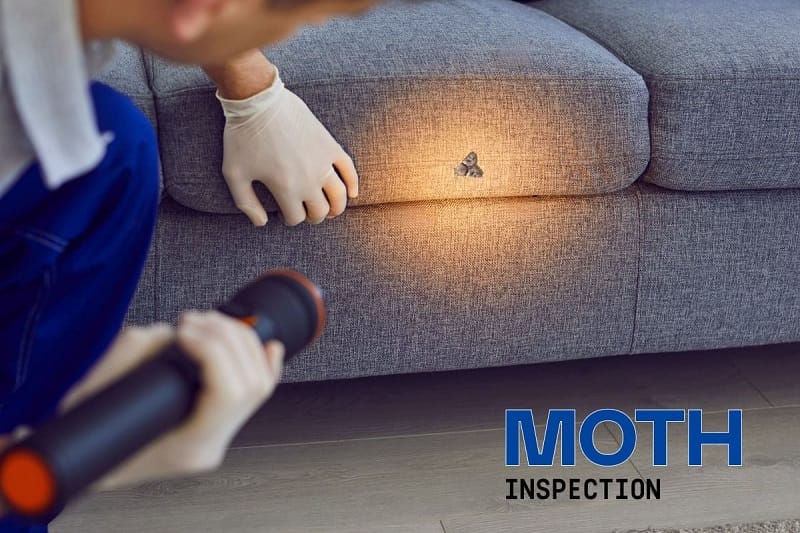
You will be able to prevent a moth infestation in the long term if you remember to regularly perform carpet maintenance and maintain a clean space. Your simple carpet maintenance schedule can include regular vacuuming, stain removal, deep-cleaning professionally, and pest control, if there are active infestations visible on your carpet. Signs of a moth infestation include holes in fabrics, and tiny white moth egg shells in corners of carpet, so be sure to take early action once you notice any of the early warning signs of an infestation.
Conclusion
Though carpet cleaning is a huge factor in a clean, healthy environment, effective pest control is the only workable option to treat an ongoing and active moth infestation. By implementing early intervention and preventative maintenance, moth infestations can be avoided.